When calculating how much does it cost to build an asphalt plant, understanding the cost distribution between mobile asphalt mixing plants and stationary asphalt plants is essential. By examining the construction transfer frequency and its impact on budgets, operators can make informed decisions regarding their investments. This article explores the key factors influencing construction costs, helping stakeholders rationalize their overall budget planning.
Understanding Construction Costs
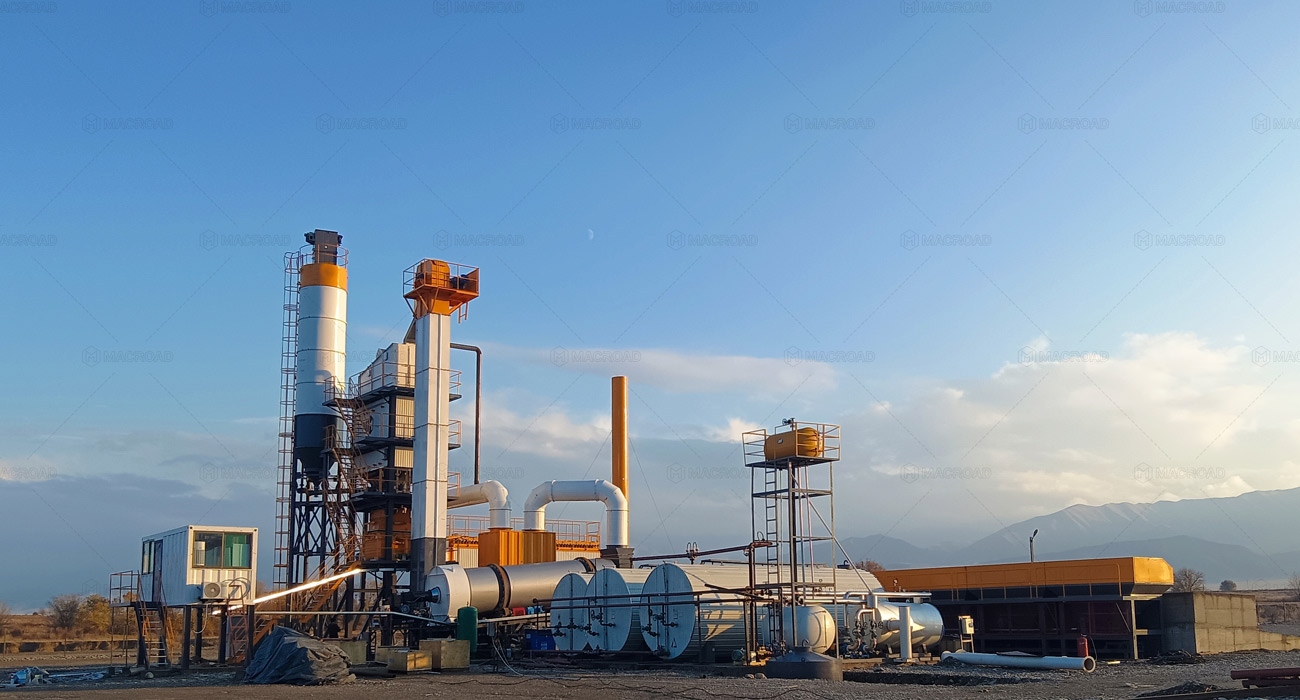
To determine how much it costs to build an asphalt plant, one must first comprehend the various components involved in the construction process. This includes evaluating site preparation, equipment installation, and utilities. Both mobile asphalt mixing plants and stationary asphalt plants have distinct cost structures influenced by their design and operational capacities.
Mobile asphalt mixing plant are generally more cost-effective in terms of construction and setup. Their modular design allows for quicker assembly and dismantling, which reduces labor costs and time delays during installation. Conversely, stationary asphalt plants typically require a more extensive foundation and infrastructure investment. Such requirements lead to higher initial construction costs but may offer lower operational expenses over time.
Additionally, the choice between mobile and stationary equipment may directly affect financing options. Mobile asphalt mixing plants often demand lower capital upfront, making them attractive for companies that prioritize flexibility and frequent site changes. Understanding these cost dynamics helps clarify how much it costs to build an asphalt plant in varied contexts.
Construction Transfer Frequency Impact
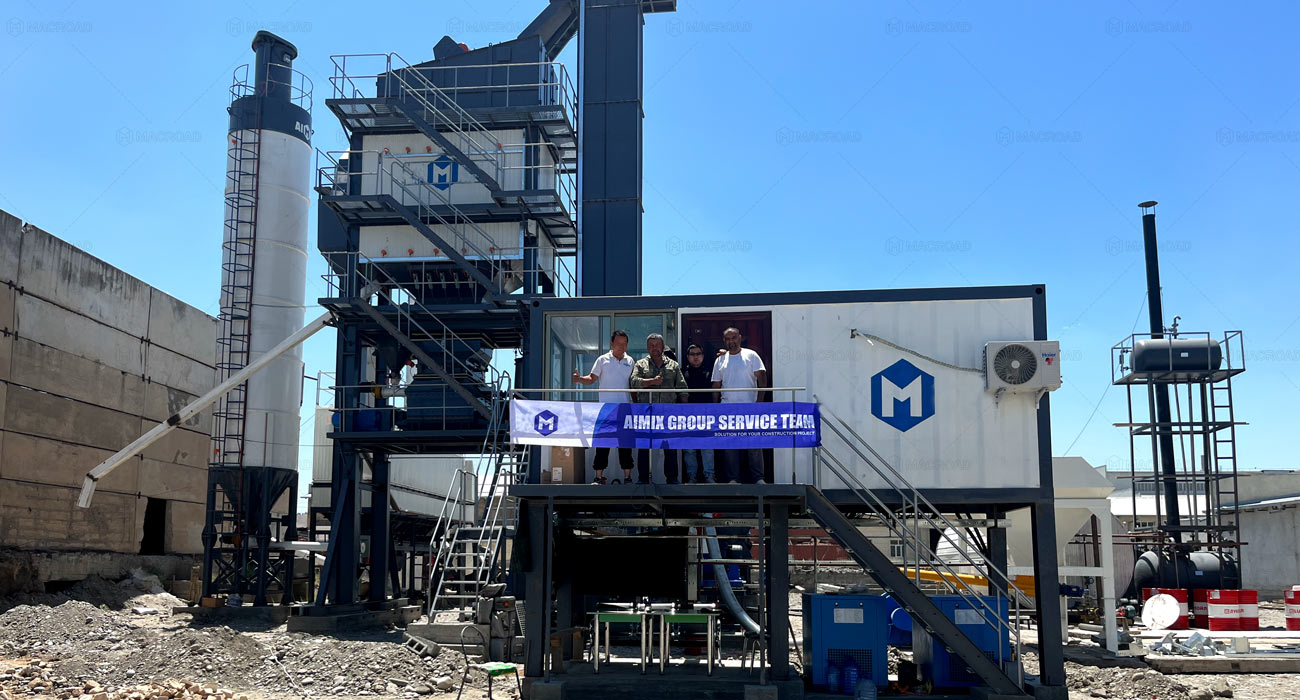
Construction transfer frequency significantly influences cost allocation between mobile asphalt mixing plants and stationary asphalt plants. Frequent transfers of mobile plants imply lower budget expenditures on continuous infrastructure development. Companies that engage in various projects may favor mobile plants for their adaptability, resulting in more capital allocated toward initial setup costs rather than long-term fixed investments.
In contrast, stationary asphalt plants typically demand a more stable operational timeline due to their installation requirements. For projects with expected longevity in a specific location, investing in stationary asphalt plants might yield better financial returns as they provide consistent production capacity without the need for frequent relocations. Understanding the anticipated construction transfer frequency allows stakeholders to allocate resources effectively, determining the percentage of the overall budget devoted to each type of plant.
Sophisticated cost analysis may also involve deciding on the proportion of the budget directed towards mobile versus stationary plants. A company focused on short-term projects may allocate a higher percentage towards mobile asphalt mixing plants, while firms engaged in large-scale, long-term contracts may invest more heavily in stationary plants.
Rationalizing Overall Budget Planning
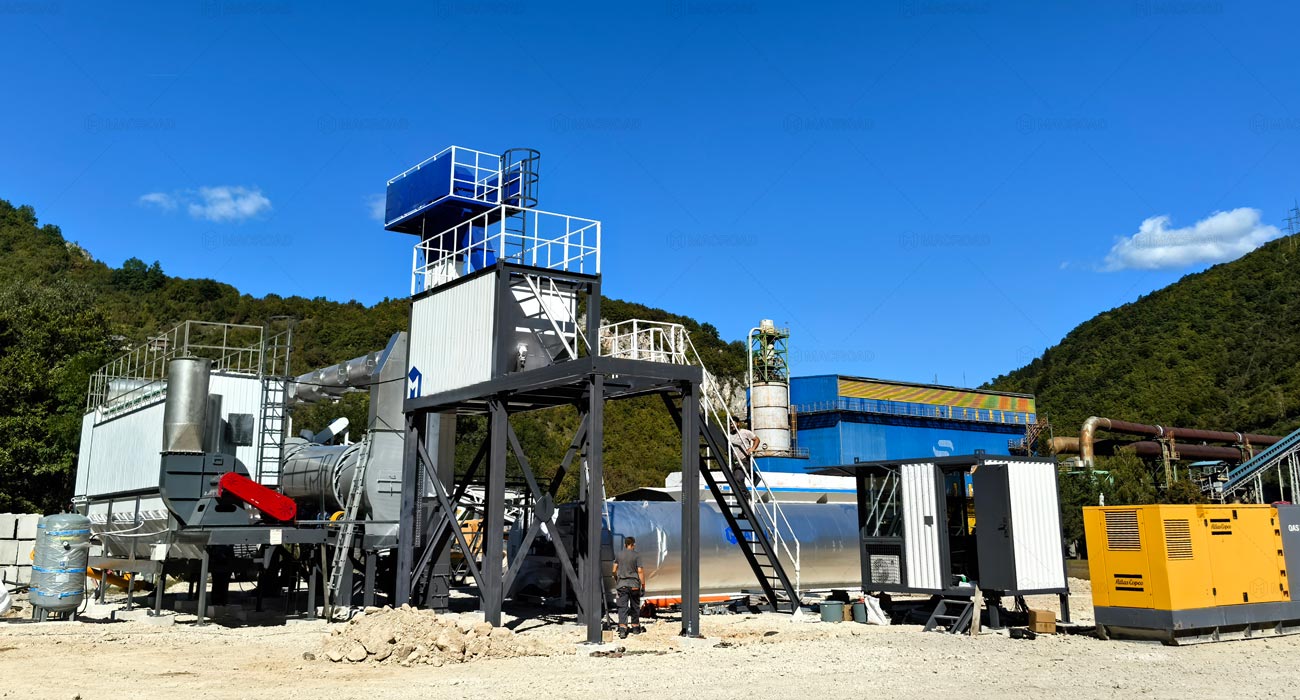
Rationalizing the overall budget planning requires a strategic evaluation of asphalt mixing plants. By analyzing factors such as market demand, project timelines, and profitability, stakeholders can make informed decisions that align with operational goals.
Implementing a flexible budget plan that accounts for changes in construction transfer frequency can streamline financial forecasting and management. For example, if a company anticipates an increase in multi-site projects, it would be prudent to maintain higher allocations for mobile plants, ensuring adequate resources for rapid deployment.
Conversely, if stationary plants are expected to serve as a reliable production base for a specific project, reallocating budget resources to support their setup and operation becomes vital. This balanced approach ensures that funds are utilized efficiently, adapting to the practical demands of each construction scenario.
Conclusion
In conclusion, understanding how much does it cost to build an asphalt plant requires a nuanced analysis of the cost distribution between mobile asphalt mixing plants and stationary asphalt plants. By examining construction transfer frequency and its influence on budget proportions, stakeholders can effectively rationalize their overall budget planning. Through a strategic allocation of resources, companies can optimize their investments, aligning operational capabilities with their long-term goals, whether favoring flexibility in mobile setups or stability through stationary installations.